
Extend Operational Run Times by Maximizing Reactor Pressure Delta Limits
Problem
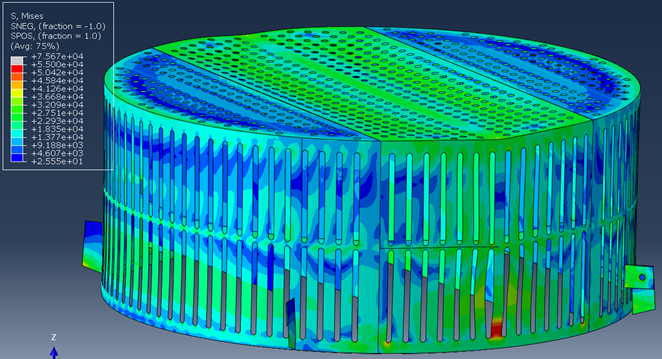
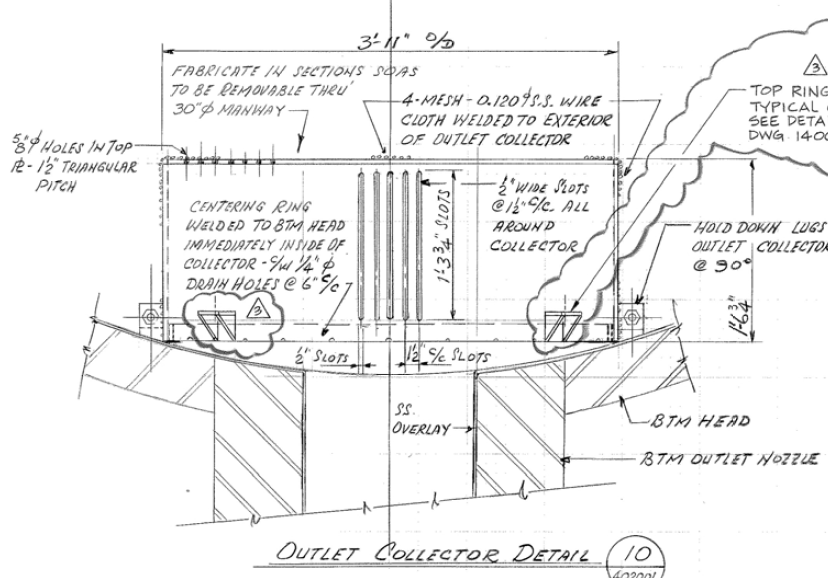
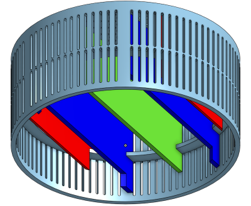
An owner-operator was limiting reactor throughput near end-of-run due to increasing pressure drop across catalyst beds and uncertainty around the structural capacity of internal outlet collectors (“elephant stools”). Existing instrumentation only measured total reactor pressure drop, making it unclear how much load was actually acting on the collectors, leading to conservative operating limits and reduced unit performance.
Solution
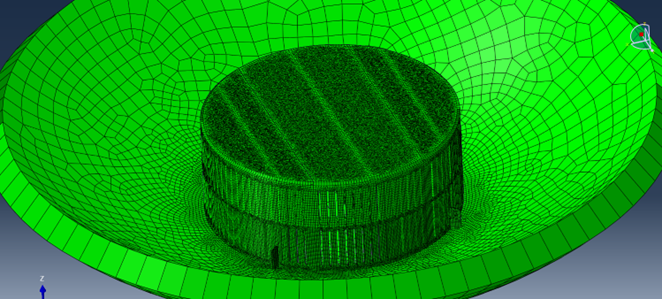
A detailed fitness-for-service style assessment was performed using a combination of finite element analysis (FEA), closed-form calculations, and granular media modelling. The work evaluated key failure modes including plastic collapse, local strain, and buckling in accordance with ASME Section VIII, Division 2 and API 579 methodologies. Realistic load sharing between the catalyst bed and vessel walls was incorporated to better estimate actual loads on the collectors.
Value
Validated a higher allowable pressure drop across the outlet collectors than previously assumed, reducing unnecessary conservatism. Enabled increased reactor throughput and extended run lengths without compromising integrity. Provided a technical basis for updating operating limits and identifying targeted improvements (e.g., instrumentation and inspection), supporting more confident and optimized operation.

Ready to talk about your asset integrity challenges?
Whether you are seeking emergency support or strategic solutions to chronic problems, we are prepared to help.

An engineering colleague you can rely on to solve your biggest challenges. A dedicated partner committed to educating and empowering your team for long-term success.